• 1580 Creekside Dr. Suite 220 Folsom, CA 95630
  • (916) 983-4444 Make an appointment

category - Endoscopy Vs. Gastroscopy

  1. Home
  2. Endoscopy Vs. Gastroscopy
upper endoscopy vs gastropy

Upper Endoscopy vs Gastroscopy: Key Differences Explained by Specialists

When patients hear the terms upper endoscopy and gastroscopy, it’s natural to wonder if they mean the same thing or if they are different procedures. These terms are often used interchangeably in medical settings, which can lead to confusion. Understanding the differences—and similarities—can help you feel more confident when discussing diagnostic options with your doctor.


At Gastroenterology Medical Clinic, our specialists perform both procedures to help detect, diagnose, and treat digestive health conditions with precision.

What Is an Upper Endoscopy?  

An upper endoscopy is a minimally invasive procedure that allows gastroenterologists to examine the lining of the upper digestive tract, including the esophagus, stomach, and the beginning of the small intestine (duodenum).

  • How it works: A thin, flexible tube with a camera (endoscope) is gently guided through the mouth and throat into the digestive tract.
  • Purpose: It helps diagnose conditions such as ulcers, inflammation, bleeding, or abnormal growths.
  • Benefits: Clear visualization, the ability to take tissue samples (biopsies), and in some cases, the opportunity to treat issues during the procedure.

What Is a Gastroscopy?  

Refers to the stomach, while “-scopy” means “to look inside.” Some regions or medical professionals prefer “gastroscopy,” while others say “upper endoscopy.”

  • Same tool, same technique: A flexible endoscope is used.
  • Same areas examined: Esophagus, stomach, and duodenum.

Same outcomes: Identifies inflammation, reflux-related issues, stomach ulcers, celiac disease, and more.

Upper Endoscopy vs Gastroscopy: Are They Different?

In reality, there is no difference in the procedure itself. The difference lies mainly in terminology:

  • Upper Endoscopy → more commonly used in the U.S.
  • Gastroscopy → more commonly used in Europe and internationally.

Both terms describe the same diagnostic tool used by gastroenterologists. Patients may see the words on medical forms, referral letters, or health websites, but they can rest assured they refer to the same procedure.

When Might Your Doctor Recommend an Endoscopy?

Your gastroenterologist may recommend an upper endoscopy/gastroscopy if you experience:

  • Persistent heartburn or acid reflux
  • Difficulty swallowing
  • Unexplained nausea or vomiting
  • Stomach pain or bloating
  • Signs of gastrointestinal bleeding
  • Unexplained weight los

These symptoms may point to conditions like GERD, gastritis, ulcers, Barrett’s esophagus, or even early signs of cancer. An endoscopy allows early detection and, in some cases, immediate treatment.

What to Expect During the Procedure

Why choose us?

At Gastroenterology Medical Clinic – Folsom, CA, we ensure patients are comfortable and well-informed before undergoing an endoscopy:

  1. Preparation: Fasting for several hours before the procedure.
  2. Sedation: A light sedative is given for relaxation.
  3. Procedure Time: Usually 15–30 minutes.
  4. Recovery: Short observation period before going home the same day.

Most patients report minimal discomfort and quick recovery, making it a reliable and effective diagnostic tool.

Our clinic combines advanced technology with compassionate care to provide comprehensive digestive health services. With decades of experience, our board-certified gastroenterologists specialize in diagnostic and therapeutic procedures, including endoscopy, colonoscopy, and treatments for conditions like acid reflux, IBD, IBS, and liver disease.  


If you’ve been advised to undergo an upper endoscopy (gastroscopy) or are experiencing persistent digestive issues, trust the experts at Gastroenterology Medical Clinic – Folsom, CA. We’ll help you get clear answers and the care you deserve.


📞 Schedule your consultation today and take the first step toward better digestive health.

FAQ'S


Is an upper endoscopy the same as a gastroscopy?  

Yes. An upper endoscopy and a gastroscopy are the same procedure. The terms differ mainly by region—“upper endoscopy” is common in the U.S., while “gastroscopy” is more widely used internationally. Both involve using a thin, flexible tube with a camera to examine the esophagus, stomach, and duodenum.


Is upper endoscopy painful?  

Most patients experience little to no pain during the procedure. At Gastroenterology Medical Clinic – Folsom, CA, patients are given a sedative to stay comfortable. Some may feel slight throat irritation afterward, but it typically goes away within 24 hours.


How long does it take to recover from an endoscopy?  

Recovery from an upper endoscopy/gastroscopy is usually quick. Patients rest for about 30–60 minutes after the procedure until the sedative wears off. Most people return to normal activities by the next day.


Why would a doctor recommend a gastroscopy?  

A gastroenterologist may recommend a gastroscopy if you have:

  • Persistent acid reflux or GERD symptoms
  • Stomach pain, ulcers, or suspected gastritis
  • Difficulty swallowing
  • Unexplained weight loss or anemia
  • Signs of gastrointestinal bleeding

Early diagnosis through endoscopy can help prevent complications.


Can an endoscopy detect cancer?  

Yes. An upper endoscopy/gastroscopy can detect early signs of cancer in the esophagus, stomach, or duodenum. Doctors can also take tissue samples (biopsies) during the procedure for further testing.


How should I prepare for an upper endoscopy?  

Preparation typically involves:

  • Fasting for 6–8 hours before the procedure
  • Avoiding certain medications (as advised by your doctor)
  • Arranging for someone to drive you home afterward

Your gastroenterologist will provide detailed instructions before your appointment.

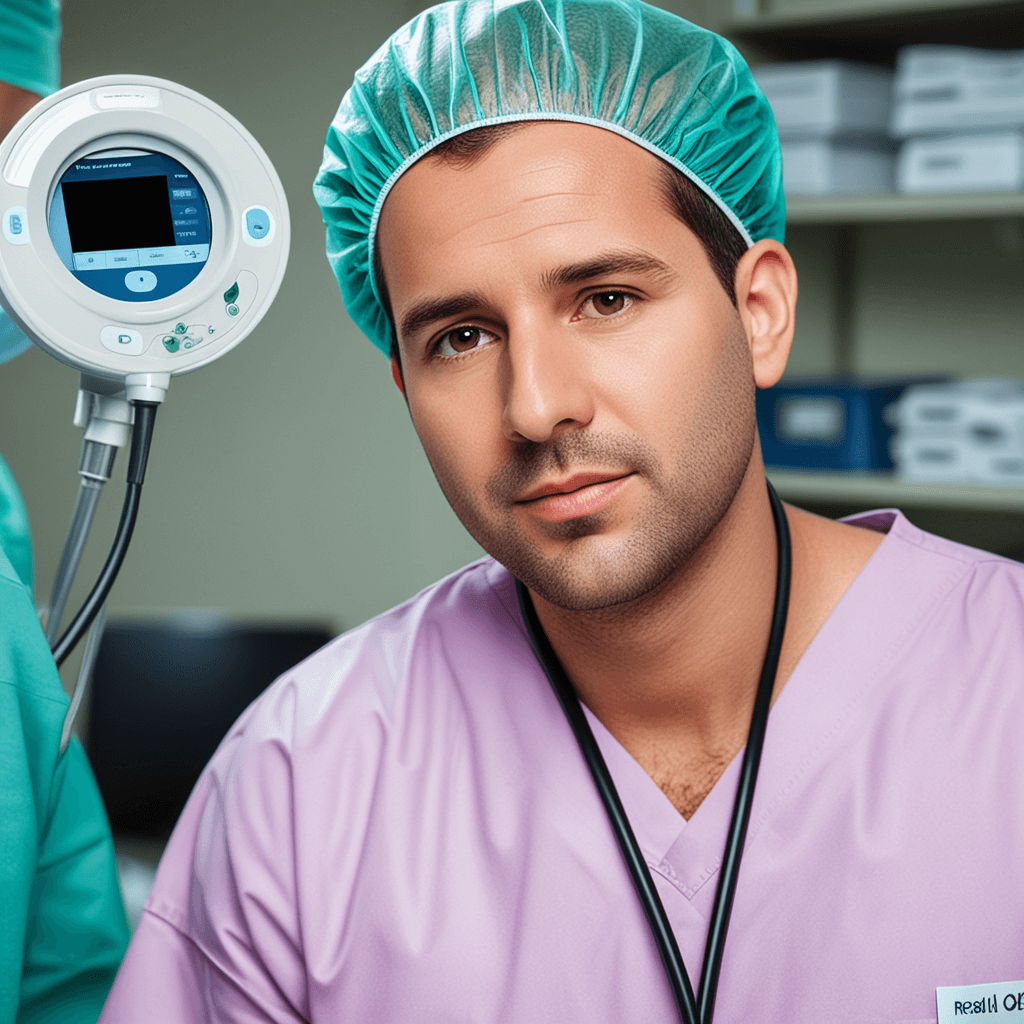
Male nurse in an operating room wearing a hair net and gown, with an endoscopy and gastroscopy machine in the background.

Upper Endoscopy vs Gastroscopy: Understanding the Differences

Table of Contents

When it comes to diagnosing and treating conditions of the upper digestive system, medical professionals often refer to procedures like “upper endoscopy” and “gastroscopy.” While these terms are used interchangeably, they actually denote the same procedure with subtle differences in emphasis and usage. This article explores the differences, uses, and highlights the benefits of both upper endoscopy and gastroscopy for patients and healthcare providers alike.

What is an Upper Endoscopy?  

An upper endoscopy, medically termed esophagogastroduodenoscopy (EGD), is a procedure designed to examine the upper part of the digestive tract, encompassing the esophagus, stomach, and the initial segment of the small intestine known as the duodenum. Utilizing an endoscope—a slender, flexible tube equipped with a camera and light at its tip—this procedure allows for visualization and, when necessary, treatment of conditions within these regions. 

When is an Upper Endoscopy Recommended?  

Upper endoscopy is commonly recommended for patients experiencing symptoms such as:

  • Persistent heartburn or acid reflux, to assess the severity of gastroesophageal reflux disease (GERD) and its impact on the esophagus.
  • Chronic nausea and vomiting, aiming to identify underlying structural abnormalities or infections contributing to these symptoms.
  • Unexplained weight loss, to investigate potential causes like ulcers, cancer, or celiac disease.
  • Difficulty swallowing (dysphagia), to detect obstructions or issues with esophageal motility.
  • Upper abdominal pain, in order to investigate possible causes such as ulcers, gastritis, or other gastrointestinal issues.

What is Gastroscopy?

Gastroscopy is another term for the procedure known as upper endoscopy. The term “gastroscopy” specifically highlights the examination of the stomach (“gastro” referring to stomach and “scopy” meaning to look). While it essentially involves the same process as an upper endoscopy, the term is often used in contexts focusing on the examination and treatment pertaining specifically to the stomach.

Distinguishing Between Upper Endoscopy and Gastroscopy

Though upper endoscopy and gastroscopy are technically the same procedure, the difference often lies in their focus and terminology:

  • Scope of Examination: “Upper endoscopy” emphasizes a broader examination of the esophagus, stomach, and duodenum, whereas “gastroscopy” specifically focuses on the stomach.
  • Regional Terminology: In some regions or medical practices, “gastroscopy” might be more commonly used, while “upper endoscopy” is preferred in others.

Contextual Usage: Gastroenterologists might use “gastroscopy” when discussing procedures centered around stomach-related issues, while “upper endoscopy” is used for a more comprehensive examination.

Preparing for an Upper Endoscopy or Gastroscopy  

Preparation for these procedures typically involves fasting for several hours beforehand to ensure an empty stomach. This fasting period is crucial for clear visibility and reduces the risk of complications during the procedure. Patients may also need to adjust their medication intake, especially if they are on blood thinners or have diabetes.

What to Expect During the Procedure  

The procedure is usually performed under sedation, ensuring patient comfort. The endoscope is gently inserted through the mouth and guided down the esophagus into the stomach and duodenum. The camera on the endoscope sends real-time images to a monitor, allowing the doctor to examine the lining of these organs closely. If necessary, the doctor can take tissue samples (biopsies) or treat conditions such as bleeding ulcers or polyps during the procedure.

Benefits and Risks of Upper Endoscopy and Gastroscopy  

Benefits  

  • Diagnostic Accuracy: These procedures provide a clear view of the upper digestive tract, helping in accurate diagnosis of conditions like ulcers, cancers, and celiac disease.
  • Therapeutic Capabilities: Besides diagnosis, they allow for treatment, such as removing polyps, treating bleeding, or dilating narrowed areas (strictures).
  • Minimally Invasive: Compared to surgical options, upper endoscopy and gastroscopy are less invasive, often requiring only mild sedation and resulting in quick recovery. 


Risks  

  • Complications: Though rare, there are risks such as bleeding, infection, or perforation of the examined organs.
  • Sedation Risks: Some patients may experience adverse reactions to sedation, though these are generally mild and manageable.

After the Procedure: Recovery and Follow-up

Post-procedure, patients typically recover from sedation within a few hours. Some may experience mild throat discomfort or bloating, which usually resolves quickly. It’s essential to follow the doctor’s advice regarding diet and activities after the procedure. Results from biopsies or other tests are typically available within a few days, and the healthcare provider will discuss these findings and any necessary follow-up steps.

Choosing the Right Procedure  

Whether referred to as an upper endoscopy or gastroscopy, this procedure is a vital tool in diagnosing and treating upper digestive tract conditions. Understanding the differences between the terms can help patients communicate more effectively with their healthcare providers and make informed decisions about their care. If you experience symptoms like persistent heartburn, unexplained weight loss, or difficulty swallowing, consult your doctor about whether an upper endoscopy or gastroscopy might be right for you.

For more in-depth information or to schedule a consultation with a qualified gastroenterologist, please contact (916) 983-4444. Remember, early detection and prompt treatment are crucial for effectively managing digestive health conditions.

Frequently Asked Questions (FAQ)

What is the difference between an Upper Endoscopy and a Gastroscopy?
  • No Technical Difference: They are essentially the same procedure—the esophagogastroduodenoscopy (EGD)—which uses a flexible tube (endoscope) to examine the upper digestive tract.
  • Difference in Emphasis:
  • Upper Endoscopy (EGD): Emphasizes a broader examination of the Esophagus, Stomach (gastro), and Duodenum (first part of the small intestine).
  • Gastroscopy: Specifically highlights the examination of the stomach (gastro). It is often used contextually when the focus of the procedure is stomach-related issues.
  • Regional Terminology: The preference for one term over the other can vary by region or medical practice.

The procedure, medically termed Esophagogastroduodenoscopy (EGD), examines the entire upper part of the digestive tract, which includes the:

  • Esophagus (the swallowing tube)
  • Stomach
  • Duodenum (the initial segment of the small intestine)

It is commonly recommended for patients experiencing symptoms such as:

  • Persistent heartburn or acid reflux (to assess GERD).
  • Chronic nausea and vomiting.
  • Unexplained weight loss.
  • Difficulty swallowing (dysphagia).
  • Upper abdominal pain.

8105 Saratoga Way Suite 210 El Dorado Hills, CA 95762
1580 Creekside Dr. Suite 220 Folsom, CA 95630
(916) 983-4444


Schedule: Monday-Friday
8:30 AM to 12:00 PM, 1:00 PM to 5:00 PM
Physician available 24 hours a day, 24/7, 365 days

© 2016-2026  Gastroenterology Medical Clinic