• 1580 Creekside Dr. Suite 220 Folsom, CA 95630
  • (916) 983-4444 Make an appointment

The Truth About Recurring Hemorrhoids: Why They Come Back and How to Stop Them

  1. Home
  2. 2025

The Truth About Recurring Hemorrhoids: Why They Come Back and How to Stop Them

If you’ve ever treated hemorrhoids only to have them return, you’re not alone. Many people experience temporary relief from creams or over-the-counter remedies, only to find their hemorrhoids flare up again weeks or months later. At Gastroenterology Medical Clinic, we understand how frustrating recurring hemorrhoids can be—and we’re here to help you finally break the cycle.

Table of Contents

Why Hemorrhoids Come Back

Hemorrhoids are swollen veins in the lower rectum and anus, similar to varicose veins in the legs. They can develop from increased pressure in the area, often caused by straining during bowel movements, chronic constipation, pregnancy, or prolonged sitting.

But why do they keep returning even after treatment? Here are the most common reasons:

1. Treating Symptoms, Not the Source  

Many people rely on creams, wipes, or suppositories to soothe itching and discomfort. While these provide temporary relief, they don’t address the underlying cause—such as poor bowel habits, diet, or venous pressure. Without solving those root issues, hemorrhoids are likely to return.

2. Chronic Constipation or Straining  

Constant straining to pass stool places repeated pressure on rectal veins, leading to new hemorrhoid development. Even after a successful treatment, recurring constipation restarts the process.

3. Sitting for Long Periods  

Whether it’s long commutes, desk jobs, or extended toilet time, sitting for too long restricts blood flow in the lower body. This can lead to inflammation and recurring hemorrhoid flare-ups.

4. Ignoring Preventive Care After Treatment  

After treatment, it’s essential to follow post-procedure guidelines—maintaining fiber intake, staying hydrated, and avoiding excessive straining. Skipping these steps allows hemorrhoids to return.

Are You at Risk for Recurring Hemorrhoids?


Certain factors make some people more prone to recurring hemorrhoids, including:


  • Chronic constipation or diarrhea
  • Low-fiber diets
  • Sedentary lifestyle
  • Pregnancy and childbirth
  • Obesity or being overweight
  • Heavy lifting or high-strain exercise

At Gastroenterology Medical Clinic, our physicians evaluate your personal risk factors and recommend lasting solutions that fit your lifestyle.

When Hemorrhoids Keep Coming Back: What You Can Do

1. Improve Bowel Habits  

  • Don’t delay bowel movements—go as soon as you feel the urge.
  • Avoid straining or sitting too long on the toilet.
  • Use a footstool to naturally align your rectum during bowel movements.

2. Adjust Your Diet  

  • Increase fiber intake through fruits, vegetables, legumes, and whole grains.
  • Stay hydrated—aim for 6–8 glasses of water daily.
  • Limit processed foods, caffeine, and alcohol, which can worsen constipation.

3. Stay Active  

Exercise promotes better blood flow and bowel regularity. Even simple daily walks can reduce recurrence by keeping your digestive system moving and lowering venous pressure.

4. Use Gentle Hygiene  

Avoid harsh soaps or wipes that can irritate sensitive tissue. Try mild cleansing methods or sitz baths to soothe the area.

5. Seek Minimally Invasive Treatment  

If your hemorrhoids keep returning, explore advanced, office-based procedures that offer long-term results.

At Gastroenterology Medical Clinic, we specialize in the CRH O’Regan System—a quick, virtually painless treatment for internal hemorrhoids. It takes only minutes, requires no anesthesia, and lets most patients resume normal activities the same day.Lorem ipsum dolor sit amet, consectetur adipiscing elit. Ut elit tellus, luctus nec ullamcorper mattis, pulvinar dapibus leo.

Post-Treatment Tips to Prevent Recurrence

  • Continue a high-fiber diet to ensure soft, regular stools.
  • Avoid heavy lifting for a few days after treatment.
  • Don’t sit too long; take short standing breaks every hour.
  • Exercise regularly to maintain healthy blood flow.
  • Follow up with your gastroenterologist to monitor progress.

Our care team provides detailed guidance and personalized support during your recovery to help you stay hemorrhoid-free.

When to See a Specialist  

Schedule an evaluation if you experience:

  • Recurring flare-ups despite home treatment
  • Persistent pain, itching, or bleeding
  • A lump or swelling near the anus
  • Changes in bowel habits or stool color

These symptoms could indicate chronic hemorrhoids—or other gastrointestinal conditions that need attention. Our board-certified gastroenterologists will perform a comprehensive exam and recommend the best course of treatment.

The Bottom Line

Recurring hemorrhoids don’t have to be a lifelong problem. With the right diagnosis, treatment, and lifestyle support, lasting relief is possible. At Gastroenterology Medical Clinic, we combine advanced, minimally invasive procedures with a holistic approach to digestive care—so you can live comfortably and confidently again.


Don’t let hemorrhoids keep coming back. Schedule your consultation today with the specialists at Gastroenterology Medical Clinic and take the first step toward lasting relief.

Frequently Asked Questions (FAQs)

Why do hemorrhoids come back after treatment?

Because the underlying cause—constipation, straining, or prolonged sitting—often isn’t addressed. Symptom relief from creams or wipes is temporary; preventing recurrence requires habit and lifestyle changes and, when appropriate, minimally invasive treatment.

Yes. Even after surgical removal or rubber band ligation, hemorrhoids can reappear if venous pressure persists from constipation, low fiber intake, or straining. Following prevention steps post-treatment is essential.

Maintain soft, regular stools: high-fiber diet, adequate water, avoid straining, limit toilet time, and stay active. Good hygiene and weight management also help.

Fruits, vegetables, beans, whole grains, nuts, and seeds. Reduce processed foods, alcohol, and excessive caffeine, which can aggravate constipation.

They can signal chronic bowel issues or high rectal pressure. Other conditions may mimic hemorrhoids, so a specialist evaluation at Gastroenterology Medical Clinic ensures accurate diagnosis and targeted treatment.

The CRH O’Regan System—offered at Gastroenterology Medical Clinic—is a quick, virtually painless option for internal hemorrhoids with minimal downtime and strong long-term outcomes.

If symptoms persist or recur frequently, if you notice bleeding, or if pain and swelling interfere with daily life. Our team can confirm the cause and create a personalized plan for lasting relief.

upper endoscopy vs gastropy

Upper Endoscopy vs Gastroscopy: Key Differences Explained by Specialists

When patients hear the terms upper endoscopy and gastroscopy, it’s natural to wonder if they mean the same thing or if they are different procedures. These terms are often used interchangeably in medical settings, which can lead to confusion. Understanding the differences—and similarities—can help you feel more confident when discussing diagnostic options with your doctor.


At Gastroenterology Medical Clinic, our specialists perform both procedures to help detect, diagnose, and treat digestive health conditions with precision.

What Is an Upper Endoscopy?  

An upper endoscopy is a minimally invasive procedure that allows gastroenterologists to examine the lining of the upper digestive tract, including the esophagus, stomach, and the beginning of the small intestine (duodenum).

  • How it works: A thin, flexible tube with a camera (endoscope) is gently guided through the mouth and throat into the digestive tract.
  • Purpose: It helps diagnose conditions such as ulcers, inflammation, bleeding, or abnormal growths.
  • Benefits: Clear visualization, the ability to take tissue samples (biopsies), and in some cases, the opportunity to treat issues during the procedure.

What Is a Gastroscopy?  

Refers to the stomach, while “-scopy” means “to look inside.” Some regions or medical professionals prefer “gastroscopy,” while others say “upper endoscopy.”

  • Same tool, same technique: A flexible endoscope is used.
  • Same areas examined: Esophagus, stomach, and duodenum.

Same outcomes: Identifies inflammation, reflux-related issues, stomach ulcers, celiac disease, and more.

Upper Endoscopy vs Gastroscopy: Are They Different?

In reality, there is no difference in the procedure itself. The difference lies mainly in terminology:

  • Upper Endoscopy → more commonly used in the U.S.
  • Gastroscopy → more commonly used in Europe and internationally.

Both terms describe the same diagnostic tool used by gastroenterologists. Patients may see the words on medical forms, referral letters, or health websites, but they can rest assured they refer to the same procedure.

When Might Your Doctor Recommend an Endoscopy?

Your gastroenterologist may recommend an upper endoscopy/gastroscopy if you experience:

  • Persistent heartburn or acid reflux
  • Difficulty swallowing
  • Unexplained nausea or vomiting
  • Stomach pain or bloating
  • Signs of gastrointestinal bleeding
  • Unexplained weight los

These symptoms may point to conditions like GERD, gastritis, ulcers, Barrett’s esophagus, or even early signs of cancer. An endoscopy allows early detection and, in some cases, immediate treatment.

What to Expect During the Procedure

Why choose us?

At Gastroenterology Medical Clinic – Folsom, CA, we ensure patients are comfortable and well-informed before undergoing an endoscopy:

  1. Preparation: Fasting for several hours before the procedure.
  2. Sedation: A light sedative is given for relaxation.
  3. Procedure Time: Usually 15–30 minutes.
  4. Recovery: Short observation period before going home the same day.

Most patients report minimal discomfort and quick recovery, making it a reliable and effective diagnostic tool.

Our clinic combines advanced technology with compassionate care to provide comprehensive digestive health services. With decades of experience, our board-certified gastroenterologists specialize in diagnostic and therapeutic procedures, including endoscopy, colonoscopy, and treatments for conditions like acid reflux, IBD, IBS, and liver disease.  


If you’ve been advised to undergo an upper endoscopy (gastroscopy) or are experiencing persistent digestive issues, trust the experts at Gastroenterology Medical Clinic – Folsom, CA. We’ll help you get clear answers and the care you deserve.


📞 Schedule your consultation today and take the first step toward better digestive health.

FAQ'S


Is an upper endoscopy the same as a gastroscopy?  

Yes. An upper endoscopy and a gastroscopy are the same procedure. The terms differ mainly by region—“upper endoscopy” is common in the U.S., while “gastroscopy” is more widely used internationally. Both involve using a thin, flexible tube with a camera to examine the esophagus, stomach, and duodenum.


Is upper endoscopy painful?  

Most patients experience little to no pain during the procedure. At Gastroenterology Medical Clinic – Folsom, CA, patients are given a sedative to stay comfortable. Some may feel slight throat irritation afterward, but it typically goes away within 24 hours.


How long does it take to recover from an endoscopy?  

Recovery from an upper endoscopy/gastroscopy is usually quick. Patients rest for about 30–60 minutes after the procedure until the sedative wears off. Most people return to normal activities by the next day.


Why would a doctor recommend a gastroscopy?  

A gastroenterologist may recommend a gastroscopy if you have:

  • Persistent acid reflux or GERD symptoms
  • Stomach pain, ulcers, or suspected gastritis
  • Difficulty swallowing
  • Unexplained weight loss or anemia
  • Signs of gastrointestinal bleeding

Early diagnosis through endoscopy can help prevent complications.


Can an endoscopy detect cancer?  

Yes. An upper endoscopy/gastroscopy can detect early signs of cancer in the esophagus, stomach, or duodenum. Doctors can also take tissue samples (biopsies) during the procedure for further testing.


How should I prepare for an upper endoscopy?  

Preparation typically involves:

  • Fasting for 6–8 hours before the procedure
  • Avoiding certain medications (as advised by your doctor)
  • Arranging for someone to drive you home afterward

Your gastroenterologist will provide detailed instructions before your appointment.

gallbladder acid reflux

Can Gallbladder Problems Cause Acid Reflux? Symptoms to Watch for

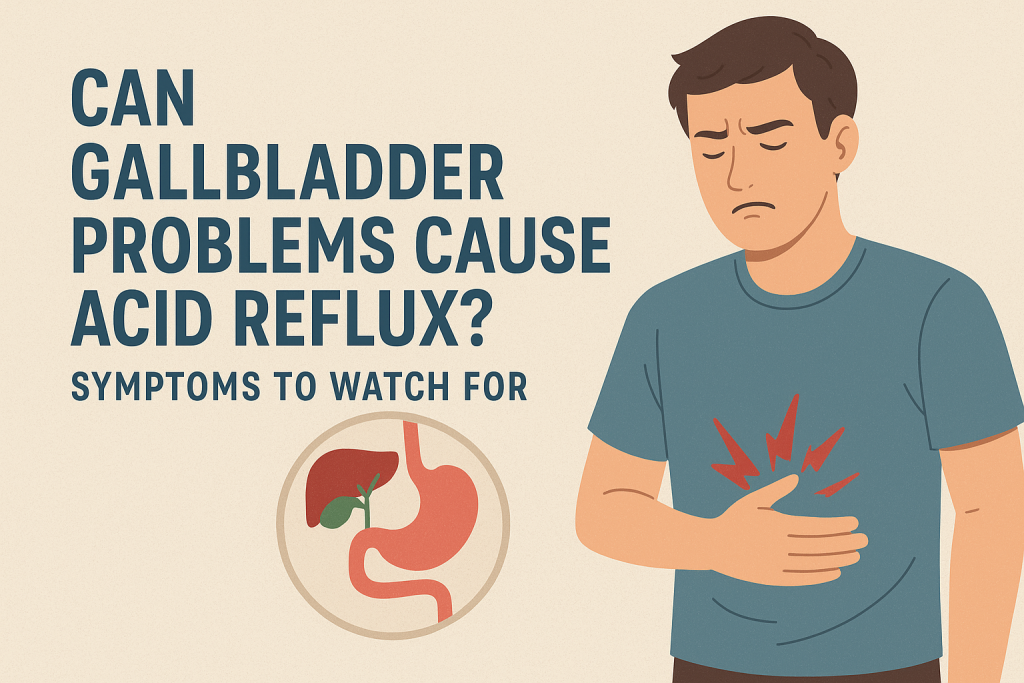
When most people think of acid reflux, they imagine heartburn caused by stomach acid. But what if your gallbladder is playing a role? Gallbladder issues, such as gallstones or poor bile flow, can disrupt digestion and trigger symptoms that feel very similar to acid reflux. Understanding the connection between gallbladder problems and acid reflux can help you find relief and protect your digestive health.


At Gastroenterology Medical Clinic in Folsom, CA, we often see patients experiencing reflux-like symptoms that are actually linked to gallbladder dysfunction. Here’s what you need to know.

The Role of the Gallbladder in Digestion

The gallbladder is a small, pear-shaped organ located under the liver. Its primary job is to store bile—a digestive fluid made in the liver—and release it into the small intestine to help break down fats.

When the gallbladder is healthy, bile flows smoothly and supports digestion. But if there are gallstones, inflammation (cholecystitis), or sluggish bile movement, digestion can be disrupted. This imbalance can cause food to linger in the stomach, leading to bloating, indigestion, and acid reflux-like symptoms.

How Gallbladder Problems Can Lead to Acid Reflux

Gallbladder dysfunction doesn’t always cause classic right-sided abdominal pain. Instead, it can create digestive issues that overlap with reflux. Here’s how:

  1. Bile Reflux vs. Acid Reflux

  • Acid reflux happens when stomach acid flows back into the esophagus.
  • Bile reflux occurs when bile flows upward from the small intestine into the stomach and esophagus.
  • Gallbladder problems often contribute to bile reflux, which can mimic or worsen acid reflux.
  1. Slow Digestion
    Without proper bile release, fats are not digested efficiently. This slows stomach emptying and increases pressure in the stomach, pushing contents—including acid—back up into the esophagus.

  1. Gallstones and Blockages – Gallstones can block the bile ducts, causing indigestion, nausea, and upper abdominal discomfort, which may feel like reflux.

Symptoms to Watch For

It’s important to distinguish between typical acid reflux and symptoms that may indicate gallbladder issues. Here are some key signs:

    • Burning sensation in the chest (heartburn)
    • Bitter taste in the mouth from bile or acid backup
    • Upper right abdominal pain, especially after fatty meals
    • Bloating and excessive burping
    • Nausea or vomiting after eating
    • Pain that radiates to the shoulder or back
    • Indigestion that doesn’t improve with acid reflux medication

If you notice a combination of reflux symptoms and right-sided abdominal pain, your gallbladder may be involved.

Who Is at Risk for Gallbladder-Related Reflux?

Certain factors increase the risk of developing gallbladder issues that can cause acid reflux, including:

  • High-fat diet
  • Rapid weight loss or obesity
  • Family history of gallstones
  • Women over 40 (hormonal changes increase risk)
  • Diabetes or metabolic syndrome

If you fall into these categories and are struggling with reflux-like symptoms, it’s worth getting your gallbladder checked.

Diagnosis and Treatment Options

At Gastroenterology Medical Clinic in Folsom, CA, we evaluate whether acid reflux may be linked to gallbladder dysfunction through medical history, imaging tests (such as ultrasound), and sometimes endoscopy.

  • Treatment may include: Avoiding fatty, greasy foods can reduce stress on the gallbladder and minimize reflux symptoms.
  • Medications: Acid-suppressing medications can help with reflux, but bile reflux may require additional treatment. 
  • Gallbladder Removal (Cholecystectomy): If gallstones or chronic gallbladder disease are the root cause, surgery may be recommended. Many patients experience significant relief from reflux-like symptoms after treatment.

Tips for Managing Acid Reflux and Gallbladder Health

  • Eat smaller, balanced meals throughout the day.
  • Limit fried, fatty, and processed foods.
  • Maintain a healthy weight to reduce abdominal pressure.
  • Avoid lying down immediately after eating.
  • Stay hydrated and include fiber-rich foods to support digestion.
  • Work with a gastroenterologist if symptoms persist.

When to See a Doctor

If your acid reflux is frequent, doesn’t respond to over-the-counter medications, or is paired with upper abdominal pain, you should seek medical evaluation. Gallbladder disease left untreated can lead to complications, including infection or pancreatitis.

Don’t let gallbladder problems and acid reflux disrupt your life. Schedule a consultation with Gastroenterology Medical Clinic in Folsom, CA, where our experienced team provides expert diagnosis and personalized treatment to restore your digestive health. Call today to book your appointment and take the first step toward relief.

Gallbladder

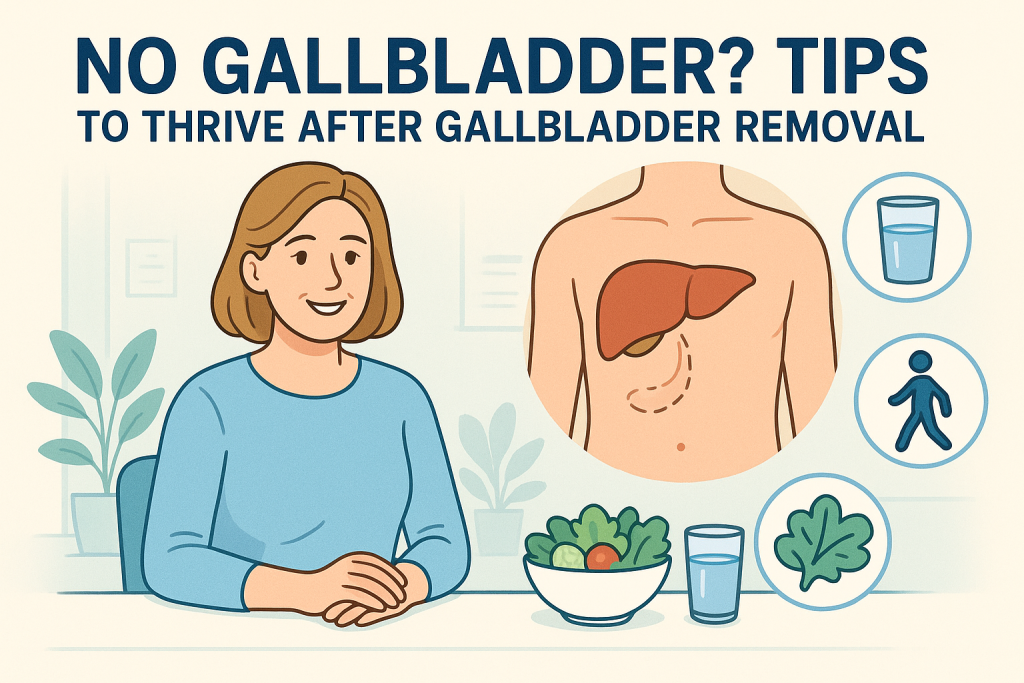
No Gallbladder? Tips to Thrive After Gallbladder Removal

Having your gallbladder removed—commonly known as a cholecystectomy—is a significant event. While it’s one of the most frequently performed surgeries in the United States, many people are surprised by the lifestyle changes that can follow. The gallbladder may be small, but it plays an important role in digestion—particularly in the breakdown of dietary fats.


At Gastroenterology Medical Clinic in Folsom, CA, we regularly help patients navigate life after gallbladder removal. The good news is that it’s absolutely possible to thrive without a gallbladder. By making small, intentional changes to your eating habits, activity levels, and digestive health, you can reduce post-surgical symptoms and feel your best.


Here are eight essential tips to help you live well after gallbladder surgery.

1. Eat Smaller, More Frequent Meals  

One of the most effective strategies post-surgery is to avoid large, heavy meals. Your gallbladder’s job was to store bile and release it in response to fatty foods. Without it, your liver still produces bile, but it flows into your digestive system at a steady pace—regardless of what you eat.

Why it matters:
Without timed bile release, large or fatty meals can overwhelm your digestive tract and cause bloating, diarrhea, or cramping.

Try this:

  • Eat 4–6 small meals throughout the day.
  • Keep portion sizes moderate.
  • Don’t skip meals—it can lead to overeating later.

At Gastroenterology Medical Clinic – Folsom, we help patients build meal plans that promote healthy digestion and energy balance.

2. Limit High-Fat Foods — But Don’t Go Fat-Free  

You don’t need to eliminate all fats from your diet, but you do need to choose fats wisely.

Good fats:

  • Olive oil
  • Avocados
  • Nuts and seeds (in small portions)
  • Fatty fish like salmon or mackerel
  • Fats to limit or avoid:
  • Fried foods
  • Sausages and bacon
  • Heavy cream sauces
  • Processed snacks

Eating the right fats in small amounts helps your body absorb fat-soluble vitamins like A, D, E, and K. Our clinic in Folsom offers personalized guidance for post-surgery nutrition—especially when it comes to fat intake.

3. Add Fiber—But Do It Gradually  

Fiber helps keep your digestion moving smoothly, prevents constipation, and feeds healthy gut bacteria. However, introducing too much fiber too quickly can result in gas, bloating, or discomfort—especially after gallbladder surgery.

Start with gentle sources:

  • Cooked vegetables
  • Oatmeal
  • Brown rice
  • Ripe fruits like bananas and apples (without the skin)

Increase fiber gradually, and drink plenty of water to help your system adjust.


4. Monitor for Bile Acid Diarrhea  

Some people experience bile acid diarrhea after gallbladder removal. This happens when bile, which is now constantly flowing, irritates the intestinal lining.

Symptoms include:

  • Frequent loose stools
  • Urgent bathroom needs
  • Cramping after meals

If this occurs, try a low-fat diet and see if symptoms improve. At Gastroenterology Medical Clinic in Folsom, we may also recommend bile acid binders or other medications to help manage this condition.


5. Consider Digestive Enzymes or Ox Bile Supplements  

For some people, digestion remains sluggish or inconsistent even months after surgery. In such cases, digestive enzyme supplements or ox bile may help your body break down fats more efficiently.


However, these supplements aren’t right for everyone. Always consult a gastroenterologist before starting anything new. Our Folsom-based team can help you determine if these options are appropriate for you.


6. Keep a Food and Symptom Journal  

Post-surgical digestion is different for everyone. Foods that one person tolerates may cause issues for another. A food and symptom journal can help you:

  • Identify trigger foods
  • Track bowel habits
  • Monitor improvements over time

This simple habit can be incredibly empowering and is something we often recommend to patients at our Folsom clinic.


7. Support Your Gut Health  

A healthy gut is your best ally in digestion. Gallbladder removal may shift your gut microbiome, so nurturing it becomes even more important.

How to support gut health:

  • Eat probiotic-rich foods like yogurt, kefir, and sauerkraut
  • Include prebiotic foods like garlic, onions, and oats
  • Stay hydrated
  • Avoid excessive use of antibiotics or over-the-counter antacids

We offer gut health evaluations and nutritional counseling right here in Folsom for those who want to take a deeper dive into optimizing their digestive wellness.


8. Ease Back into Physical Activity  

After gallbladder surgery, movement helps stimulate digestion and prevent constipation. Just make sure to take it easy, especially during the first few weeks.

Start with:

  • Walking
  • Light stretching
  • Breathing exercises

Avoid:

  • Heavy lifting
  • High-intensity workouts
  • Abdominal strain until cleared by your doctor

At Gastroenterology Medical Clinic – Folsom, CA, we encourage post-surgical patients to move at their own pace and listen to their bodies during recovery.


Final Thoughts  

Living without a gallbladder doesn’t mean living with constant digestive issues. With the right knowledge, a few lifestyle adjustments, and support from a qualified medical team, you can enjoy a healthy, vibrant life post-surgery.

Whether you’re weeks into recovery or still dealing with long-term symptoms, Gastroenterology Medical Clinic in Folsom, CA is here to help. We provide compassionate, personalized care to help you feel your best—every step of the way.

Call today to book a consultation.

Advancements in Argon Plasma Coagulation

Advancements in Argon Plasma Coagulation: What’s New in 2025?

In 2025, argon plasma coagulation (APC) continues to be one of the most effective and minimally invasive procedures used in gastroenterology. With cutting-edge advancements improving precision, safety, and patient outcomes, APC is revolutionizing how gastrointestinal conditions are treated. Whether you’re a patient seeking treatment or a provider staying up to date, this guide explores the newest developments in argon plasma coagulation technology.

What Is Argon Plasma Coagulation (APC)?  

Argon plasma coagulation is a non-contact endoscopic technique that uses ionized argon gas to treat bleeding or abnormal tissue in the GI tract. Delivered through a thin probe during an endoscopy, the plasma energy cauterizes lesions without direct contact. This controlled approach makes APC highly effective for treating conditions such as:

  • Barrett’s Esophagus
  • Gastrointestinal bleeding
  • Angiodysplasia
  • Radiation proctitis Gastric antral vascular ectasia (GAVE)

Because it’s fast, safe, and highly precise, APC is widely used in gastroenterology clinics worldwide.

Top 5 Argon Plasma Coagulation Advancements in 2025  

1. SmartFlow Technology for Real-Time Precision  

In 2025, new APC systems feature SmartFlow technology, which monitors tissue resistance and automatically adjusts energy levels and gas flow. This minimizes the risk of overtreatment and improves targeting accuracy during endoscopic procedures.

2. Hybrid Argon Plasma Coagulation (Hybrid APC)  

Hybrid APC combines a saline injection with plasma delivery, creating a protective layer that reduces thermal injury. It is especially useful for treating flat or residual lesions and is becoming standard in advanced GI centers.

3. AI-Assisted Targeting and Detection  

Artificial intelligence now plays a major role in APC treatments. Modern endoscopy systems feature AI-guided visualization that detects abnormalities with high precision and suggests optimal APC settings—enhancing both efficiency and effectiveness.

4. Robotic-Assisted Endoscopy for APC  

Robotic technology is enhancing endoscopic procedures by offering greater control and stability. In 2025, robotic-assisted APC allows physicians to navigate tight or complex areas with ease, reducing complications and improving patient outcomes.

5. Low-Flow APC in Pulmonology and Beyond  

APC is expanding beyond gastroenterology. Low-flow systems now make APC viable for treating airway lesions and tumors in pulmonology—safely delivering energy in oxygen-rich environments such as the trachea and bronchi.

Better Safety and Faster Recovery for Patients  

With these new advancements, argon plasma coagulation in 2025 is safer than ever. New APC generators offer real-time safety checks, temperature control, and automatic shutoff features to prevent complications. Patients benefit from quicker procedures, minimal discomfort, and faster return to daily activities—often within 24 to 48 hours.

What This Means for You  

If you’re experiencing GI bleeding, precancerous lesions, or related issues, argon plasma coagulation may be an ideal treatment option. The latest technologies make the procedure more precise, more effective, and easier to recover from than ever before.


If you’re interested in learning more about argon plasma coagulation or determining whether APC is the right treatment for your condition, we invite you to schedule a consultation with the Gastroenterology Medical Clinic. Call us at (916) 983-4444 or visit our website at www.gastroclinic.com to book your appointment. Our experienced team is here to guide you through the most advanced gastrointestinal treatments available in 2025.

peptic ulcer

Peptic Ulcer Diet: Best and Worst Foods for Stomach Health

If you’ve been diagnosed with a peptic ulcer, you’re not alone—and you’re not powerless. At the Gastroenterology Medical Clinic in Folsom, CA, we often see patients who are surprised to learn how much their diet affects ulcer symptoms. The right foods can help you heal, while the wrong ones can aggravate the pain. This guide outlines the best and worst foods to help you manage peptic ulcers and protect your digestive health.

What Is a Peptic Ulcer?  

A peptic ulcer is an open sore that forms in the lining of your stomach or the first part of your small intestine (duodenum). The most common causes are an infection with Helicobacter pylori (H. pylori) or regular use of NSAIDs such as aspirin or ibuprofen.

 Common symptoms include:

  1. Burning stomach pain
  2. Nausea or vomiting
  3. Feeling full quickly
  4. Unexpected weight loss

If you’re experiencing any of these symptoms, we recommend scheduling an appointment with our team at Gastroenterology Medical Clinic – Folsom, CA for a full evaluation.

Why Your Diet Matters  

Your diet doesn’t directly cause or cure ulcers, but certain foods can make symptoms worse or better. Acidic and spicy foods may irritate the stomach, while others help soothe the lining and reduce acid production.

Best Foods for People with Peptic Ulcers  

Our Folsom-based gastroenterologists suggest the following foods to support healing and comfort:

Bananas & Melons – Low-acid fruits that help coat and protect the stomach.

Oatmeal & Whole Grains – High in fiber and gentle on digestion.

Leafy Greens & Cabbage – Full of antioxidants and natural anti-ulcer compounds.

Lean Meats & Plant-Based Proteins – Easy-to-digest proteins like chicken and tofu.

Yogurt & Fermented Foods – Promote gut balance with beneficial bacteria.

Manuka Honey – Natural antibacterial that may help reduce H. pylori.

Herbal Teas – Chamomile or licorice root teas offer soothing benefits (check with your doctor first).

Foods to Avoid with Peptic Ulcers  

Avoid or limit these common ulcer aggravators:

Spicy Foods – Can increase stomach irritation.

Citrus Fruits & Tomato Products – Acidic and potentially painful.

Caffeine – Found in coffee, tea, and sodas—stimulates acid production.

Alcohol – Damages the protective lining of the stomach.

Fried and Fatty Foods – Difficult to digest and may worsen symptoms.

Chocolate – Relaxes the lower esophageal sphincter and increases reflux.

Carbonated Drinks – Cause bloating and discomfort.

Sample Ulcer-Friendly Meal Plan  

Here’s a meal plan approved by our Folsom clinic:

Breakfast: Oatmeal with banana and a drizzle of Manuka honey

Lunch: Grilled chicken, steamed broccoli, and brown rice

Snack: Plain yogurt with apple slices

Dinner: Baked salmon, mashed sweet potato, sautéed spinach

Drinks: Water or chamomile tea

Helpful Tips from Gastroenterology Medical Clinic – Folsom, CA  

Eat smaller meals more often.

Avoid eating late at night or lying down after meals.

Keep a food journal to identify trigger foods.

Discuss any supplements or herbal remedies with your GI provider.

When to Contact a Gastroenterologist  

See a specialist at our Gastroenterology Medical Clinic in Folsom if you experience:

Black or tarry stools

Vomiting blood

Unexplained weight loss

Severe or persistent pain

These symptoms could indicate a more serious condition that needs immediate care.

Conclusion  

Managing a peptic ulcer starts with smart food choices and professional care. At the Gastroenterology Medical Clinic – Folsom, CA, we help patients create personalized treatment plans that include medical therapy, lifestyle guidance, and diet education. With the right plan, you can heal faster and feel better every day.

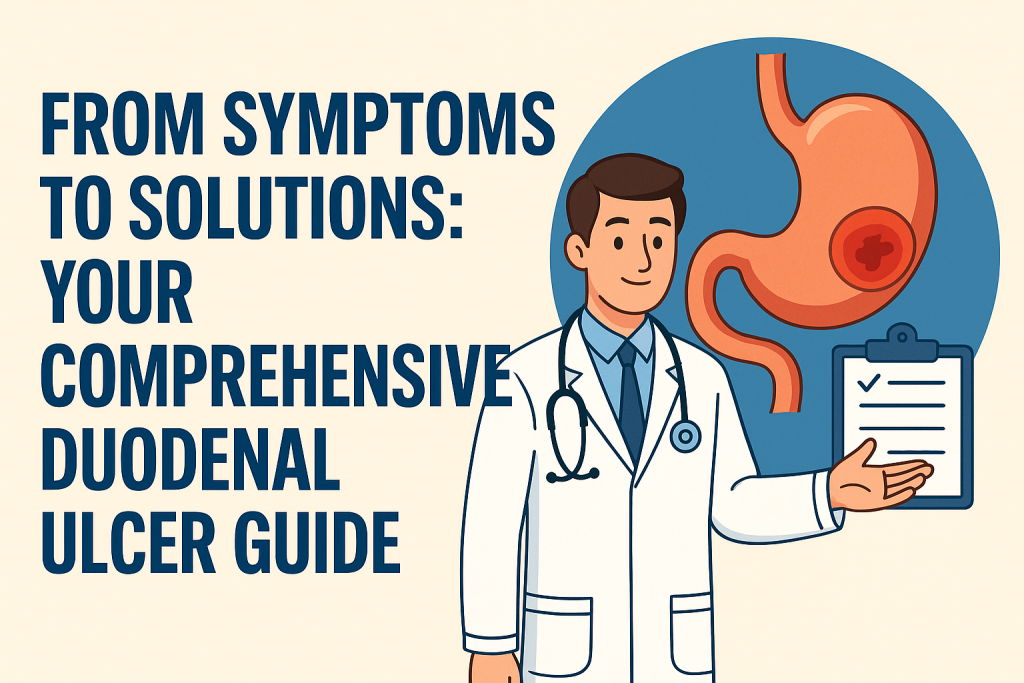
From Symptoms to Solutions: Your Comprehensive Duodenal Ulcer Guide

Are you experiencing discomfort in your stomach and wondering if it could be a duodenal ulcer? You’re not alone! Many adults grapple with the nuances of digestive health, particularly when it involves those pesky duodenal ulcers. While they can be a real pain, they’re also manageable.

In this guide from our Gastroenterology Medical Clinic in Folsom, CA, we’ll walk through everything you need to know, from symptoms to solutions.

What Are Duodenal Ulcers?

Duodenal Ulcers are open sores that develop on the inner lining of the duodenum, the first part of your small intestine. While they can be uncomfortable or even debilitating, understanding them is the first step toward managing your health better.

 Common Symptoms of Duodenal Ulcers   

Knowing the symptoms of duodenal ulcers can help you identify issues sooner. Common signs include:


Burning Pain: This is often felt in the upper abdomen and might be relieved by eating or taking antacids.

Nausea or Vomiting: Some people experience nausea, which can sometimes lead to vomiting.

Bloating: An uncomfortable feeling of fullness or swelling in the abdomen that often occurs after eating.


Understanding these symptoms is crucial, especially since they can sometimes mimic those of other digestive conditions. If you find yourself frequently uncomfortable, it might be time to consider a consultation with our Gastroenterology Medical Clinic in Folsom, CA.

What Causes Duodenal Ulcers?   

There are various causes of duodenal ulcers. The primary culprits usually include:

H. Pylori Infection   

An infection from a bacterium called Helicobacter pylori (H. pylori) is responsible for many duodenal ulcers. This bacterium can weaken the protective mucous lining of the stomach and the duodenum, allowing stomach acid to create sores.

Long-Term Use of NSAIDs   

Frequent use of Nonsteroidal Anti-Inflammatory Drugs (NSAIDs) like ibuprofen and aspirin can also lead to the formation of ulcers. If you’re someone who takes these medications regularly, knowing their risks is essential.

Lifestyle Factors   

As with many health issues, lifestyle plays a significant role. Stress and excessive alcohol consumption can exacerbate hallmarks of duodenal ulcers, so it’s worth being mindful of how you may be contributing to your symptoms.

 Diagnosing Duodenal Ulcers   

Diagnosis typically involves a combination of methods:


Medical History and Physical Examination: Our doctors will assess your symptoms and lifestyle.

Tests: Procedures such as endoscopy or imaging studies can confirm the presence of an ulcer.


Understanding how these tests work can reduce anxiety when dealing with potential diagnoses. There’s no need to be scared; they’re routine for gastroenterologists.

Treatment Options for Duodenal Ulcers   

When it comes to duodenal ulcer treatment, there are several routes to explore through our Gastroenterology Medical Clinic in Folsom, CA

 Medications   


Antacids and Proton Pump Inhibitors (PPIs) are commonly prescribed to reduce stomach acid and help heal the ulcer.

If H. pylori is involved, antibiotics may be prescribed to clear the infection.

 Lifestyle and Dietary Changes   

Ulcer Diet  

What you eat can have a significant impact on your symptoms. Foods that may help include:


Fruits and Vegetables: These can boost your immune system and help soothe inflammation.


Whole Grains: Foods like oatmeal can be easier on a sensitive stomach.

Be cautious with spicy foods, caffeine, and acidic foods, as they may exacerbate discomfort.


Stress Management   

Engaging in relaxation techniques like yoga and meditation can also contribute to managing symptoms. After all, a relaxed mind can translate to a relaxed gut!  


Preventive Measures for Duodenal Ulcers   


Healthy Living Strategies  

Living a healthy lifestyle can ward off potential ulcers. Maintain a balanced diet, limit alcohol, and manage stress levels. Regular check-ups with our Gastroenterology Medical Clinic in Folsom, CA are also vital for prevention.


Recognizing Early Symptoms  

The sooner you can detect any signs of duodenal ulcers, the better your chances of preventing complications. Keep track of your symptoms, and don’t hesitate to reach out to our clinic for advice.


Living with Duodenal Ulcers   

Coping with duodenal ulcers doesn’t just stop at treatment; it involves a lifestyle adjustment. This new chapter may require learning new eating habits, practicing stress relief, and becoming more in tune with your body’s signals.


Support Systems  

Consider speaking to a dietitian specializing in gastroenterology for personalized dietary adjustments. Support groups for individuals with digestive disorders can also provide comfort and helpful insights.

Conclusion   

From recognizing the symptoms of duodenal ulcers to understanding treatment options, this guide aims to inform and empower you on your journey to better digestive health. Remember, knowledge is your best ally.


If you suspect you have a duodenal ulcer, don’t hesitate to reach out to our Gastroenterology Medical Clinic in Folsom, CA for further evaluation. You deserve to feel your best! So, let’s tackle those ulcers together—because a healthier gut means a happier you.

Wireless capsule endoscopy

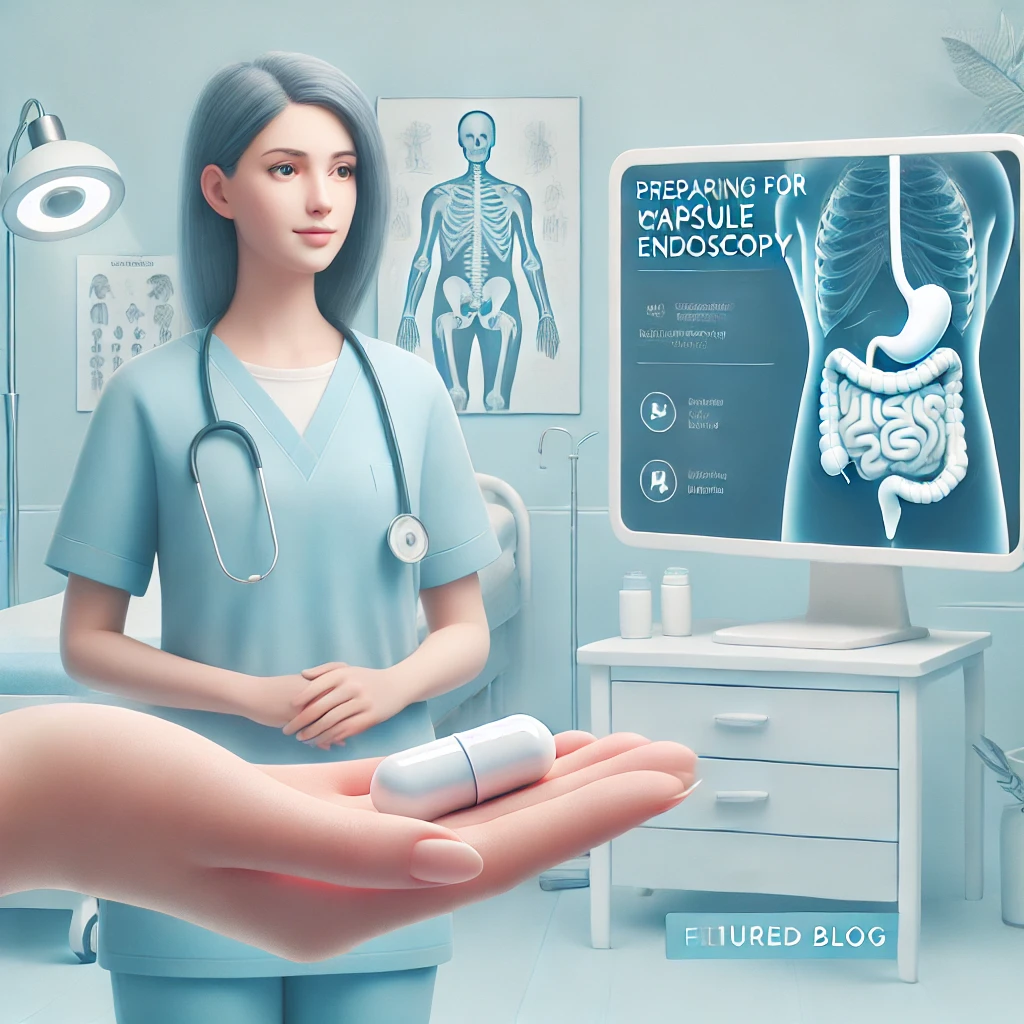
Your Step-by-Step Guide to Preparing for Wireless Capsule Endoscopy

If your doctor has recommended a wireless capsule endoscopy, you might feel a mix of curiosity and anxiety. The thought of swallowing a tiny camera can be a bit daunting! But don’t worry—this procedure is a non-invasive way to gain valuable insights into your gastrointestinal health.

In this guide, we’ll take you step-by-step through what to expect and how to prepare for your wireless capsule endoscopy, helping to make the experience much smoother.

 What is Wireless Capsule Endoscopy?   

Wireless capsule endoscopy is a cutting-edge medical imaging technology that allows physicians to examine the inside of your digestive tract without the discomfort of traditional endoscopy. Instead of inserting a tube, you simply swallow a small, pill-sized camera that captures thousands of images as it travels through your system. This technique is particularly beneficial for diagnosing conditions like Crohn’s disease, ulcers, and other gastrointestinal issues.

Who Might Need a Wireless Capsule Endoscopy?   

If you’re experiencing ongoing symptoms like abdominal pain, gastrointestinal bleeding, or chronic diarrhea, your healthcare provider may suggest a wireless capsule endoscopy. It serves as an essential diagnostic tool, especially for patients with previous tests that haven’t provided a clear answer.

 Step-by-Step Guide to Preparation


Step 1: Initial Consultation  

Before undergoing a wireless capsule endoscopy, you’ll meet with your Gastroenterology at our Folsom, CA clinic for an initial consultation. This is your opportunity to discuss your medical history, medications, and any specific concerns you may have. Prepare a list of questions—this will help put your mind at ease.


Step 2: Dietary Adjustments  

Diet plays a significant role in your preparation. In the days leading up to your capsule endoscopy preparation, you may need to follow a low-fiber diet to ensure clear imaging. Focus on easily digestible foods like white rice, plain pasta, and lean proteins. Avoid nuts, seeds, and whole grains, as these can interfere with the procedure.

On the day before your wireless capsule endoscopy, you’ll likely be asked to fast after a light breakfast. Make sure to adhere to any specific instructions your healthcare provider gives you.


Step 3: Medication Management  

Managing your medications is vital. Some of them may need to be paused prior to your wireless capsule endoscopy to avoid any complications. Discuss all your medications during your initial consultation, including any that you may normally take for chronic conditions.


Step 4: The Day of the Procedure  

On the day of your wireless capsule endoscopy, arrive at our Folsom, CA clinic prepared. Wear comfortable clothes and bring a list of your medications. It is advisable to have a friend or family member accompany you to assist with any post-procedure needs. While swallowing the capsule is quick and painless, it’s nice to have support.

 What to Expect During the Procedure   

Once you’re at the clinic, you’ll swallow the capsule with a glass of water. After that, you’ll wear a small device that collects data transmitted from the capsule as it moves through your digestive tract. You can generally go about your day as usual, but you might be advised to avoid solid foods for a few hours following the procedure. The entire process typically lasts about 8 hours, after which the capsule is naturally expelled through your stool.

 Post-Procedure Care and Follow-Up   

After your wireless capsule endoscopy, it’s crucial to stay hydrated and monitor how you feel. Your doctor will provide you with post-procedure dietary recommendations. Also, note when you will receive your results.

 Support for Patients and Caregivers   

Feeling overwhelmed is totally normal. It’s okay to bring someone with you for emotional support, and discussing your worries can help ease tension. Your healthcare team at our gastroenterology medical clinic in Folsom, CA, is also available to answer questions and provide reassurance.

 Conclusion   

Preparing for your wireless capsule endoscopy doesn’t have to be a stressful experience. By following these step-by-step guidelines, you’ll set yourself up for success. If you have further questions or want to schedule your procedure, please reach out to us at GastroMed Clinic in Folsom, CA—we’re here to support you every step of the way! You can contact us at (916) 983-4444.

 Common Concerns and FAQs   

You may still have questions about the wireless capsule endoscopy procedure. Here are a few of the most common concerns we hear at our gastroenterology medical clinic in Folsom, CA.


Is it painful?

No, most patients report no discomfort at all during the procedure. Swallowing the capsule is quick and easy.


How long does the procedure take?

The capsule transmits images for roughly 8 hours as it travels through your digestive tract, but swallowing it takes just a matter of moments.


Don’t worry; the capsule is designed to be expelled naturally. Most people will pass it without any issues. However, if you have any concerns, please reach out to our healthcare team at our gastroenterology medical clinic in Folsom, CA. We’re here to help!

Convenient Hemorrhoid Solutions: Get Back to Comfort Quickly!

Have you ever found yourself performing a delicate balancing act between discomfort and daily activities, all thanks to pesky hemorrhoids? If you’re nodding in agreement, know that you’re not alone. Millions of individuals battle this common issue every day, often in silence, but it doesn’t have to be that way! From the awkward itch to the frustrating pain during bowel movements, hemorrhoids can drastically diminish your quality of life. Fortunately, innovative and convenient solutions are at your fingertips, ready to help you reclaim your comfort and confidence. Let’s explore how you can swiftly find relief and get back to enjoying the activities you love without the nagging distraction of hemorrhoidal discomfort!


Understanding Hemorrhoids

Before diving into solutions, it’s essential to understand what causes hemorrhoids. They can develop due to increased pressure on the veins in the rectal area, often resulting from factors such as pregnancy, obesity, straining during bowel movements, a sedentary lifestyle, or chronic constipation/diarrhea.


Symptoms may include:


– Itching or irritation in the anal region

– Pain or discomfort

– Swelling around the anus

– Bleeding during bowel movements

– A lump near the anus, which may be sensitive or painful


While hemorrhoids can be a nuisance, there are various treatments available to ease the discomfort and allow you to return to your daily activities comfortably.


Convenient Over-the-Counter Treatments

One of the first steps in addressing hemorrhoidal discomfort is exploring over-the-counter (OTC) treatments.

Several convenient products can provide immediate relief:


  1. Topical Creams and Ointments

OTC creams and ointments containing ingredients like hydrocortisone, witch hazel, or lidocaine can help reduce inflammation and itching associated with hemorrhoids. These products are easy to apply and provide almost instant relief. Look for formulations designed specifically for hemorrhoid treatment to ensure effectiveness.


  1. Suppositories

Suppositories are another convenient option for delivering medication directly to the affected area. They often contain similar active ingredients as creams and can provide localized relief by soothing the inflamed tissue.


  1. Medicated Wipes

Medicated wipes containing soothing ingredients can offer a gentle way to clean the anal area without causing further irritation. They are especially useful after bowel movements and can help reduce discomfort throughout the day.


Home Remedies for Relief

In addition to OTC treatments, several home remedies can offer convenience and relief without the need for prescriptions or extensive medical intervention:


  1. Warm Baths

Soaking in a warm bath several times a day can help soothe the swelling and discomfort associated with hemorrhoids. The warmth can increase blood circulation in the area and promote healing. Adding Epsom salt can further enhance the soothing effects.


  1. Cold Compresses

Applying a cold compress to the anal area can reduce inflammation and numb the pain. Wrap ice in a cloth, or use a chilled gel pack, and apply it for 10-15 minutes a few times a day for best results.


  1. Dietary Adjustments

Incorporating a high-fiber diet can prevent constipation, which is a common cause of hemorrhoids. Foods rich in fiber include fruits, vegetables, whole grains, and legumes. Additionally, drinking plenty of water can help keep stools soft and easier to pass, reducing strain during bowel movements.


Lifestyle Changes for Long-Term Relief

For convenient and sustainable management of hemorrhoids, consider making some lifestyle changes that can minimize the risk of recurrence:


  1. Regular Exercise

Engaging in regular physical activity can help improve digestion and reduce the risk of constipation. Aim for at least 30 minutes of moderate exercise most days of the week. Activities like walking, jogging, swimming, or cycling can be effective for promoting digestive health.


  1. Healthy Bathroom Habits

Avoid straining during bowel movements, as this can exacerbate hemorrhoids. Take your time, and consider using a footstool to elevate your feet while sitting on the toilet, which can facilitate easier bowel movements.


  1. Avoid Prolonged Sitting

If your job or lifestyle requires long periods of sitting, take regular breaks to stand up and walk around. This practice will help reduce pressure on the rectal veins and promote better circulation.


When to Seek Medical Help

While many hemorrhoids can be managed with convenient solutions, it’s essential to recognize when to seek medical assistance. If you experience severe pain, persistent bleeding, or if your symptoms do not improve with home treatments, it is crucial to consult with a healthcare professional. They may recommend additional treatments, such as rubber band ligation or surgical options, depending on the severity of your condition.

For expert advice and treatment, you can also visit a trusted medical provider like Gastroenterology Medical Clinic.


Conclusion

Hemorrhoids can be an uncomfortable and distressing condition, but there are many convenient solutions available that can help you regain comfort relatively quickly. By exploring over-the-counter treatments, lifestyle changes, and home remedies, you can take control of your symptoms and improve your quality of life. Remember that addressing the underlying causes, such as dietary choices and exercise, is essential for long-term relief.


If your symptoms persist or worsen, consulting Gastroenterology Medical Clinic can provide you with specialized care and guidance tailored to your needs. For any questions about our services, to schedule an appointment, or to seek further assistance, please fill out this form and a member of our team will promptly get back to you.

Senior woman clutching her stomach in pain

Abdominal Pain Explained: Causes, Symptoms, and When to See a Doctor

Undergoing an upper endoscopy is an important step in figuring out what’s going on with your digestive system. It’s a common and minimally invasive test that lets doctors see your upper digestive tract in detail.

To make sure the results are accurate, it’s important to prepare properly. This includes taking bowel prep medications, which help clear things up so the doctor can get a clear view during the procedure.

What is an Upper Endoscopy? 

An upper endoscopy is a procedure that allows doctors to examine the upper part of your digestive system. A thin, flexible tube with a camera at the tip is gently inserted through your mouth. This enables the doctor to visualize your esophagus, stomach, and the first part of your small intestine (the duodenum).

Upper endoscopies are valuable for diagnosing issues like acid reflux, stomach ulcers, difficulty swallowing, and potential signs of stomach or esophageal cancer. Early detection through this test allows doctors to provide appropriate treatment promptly.

Upper Endoscopy vs. Gastroscopy 

While often used interchangeably, “upper endoscopy” and “gastroscopy” have slight distinctions. A “gastroscopy” specifically examines the stomach, whereas an “upper endoscopy” provides a more comprehensive view by assessing the esophagus, stomach, and the duodenum.

Understanding this difference helps patients comprehend the full scope of conditions that can be identified with an upper endoscopy.


How Bowel Prep Medications Help  

Bowel prep medications, commonly associated with colonoscopies, are equally critical for upper endoscopies. These medications ensure the digestive tract is clear, enabling the gastroenterologist to obtain an unobstructed view.


Types of Bowel Prep Medications  

  • Laxatives: Clear residual food and mucus from the stomach and small intestine.
  • Prokinetic Agents: Accelerate digestive tract movement, reducing undigested material.
  • Antacids: Neutralize stomach acid to improve visibility during the procedure.


Your physician will provide detailed instructions for these medications. Following their guidance is essential for thorough preparation.


Why Proper Preparation Matters  

Preparation directly impacts the accuracy and efficiency of an upper endoscopy. Proper bowel prep ensures:

  • Clear Visualization: Detect abnormalities like ulcers, inflammation, or tumors more easily.
  • Accurate Biopsies: Reduce contamination risks for precise tissue sampling.
  • Reduced Procedure Time: Minimize delays and the need for additional procedures.

Failure to prepare adequately can result in missed diagnoses, rescheduling, or additional costs.


Step-by-Step Preparation for an Upper Endoscopy  

Consult Your Gastroenterologist  

  • Share your medical history, allergies, and current medications.
  • You may need to stop medications like blood thinners temporarily or certain supplements.

Follow Dietary Guidelines  

  • Avoid solid foods for 6-8 hours before the procedure.
  • Clear liquids, such as water, tea, or broth, may be allowed up to a few hours before the appointment.

Take Prescribed Bowel Prep Medications  

  • Follow your doctor’s instructions for dosage and timing.
  • Improper usage can compromise the procedure’s effectiveness.

Plan for Transportation  

  • Arrange for someone to drive you home post-procedure, as sedatives will impair your ability to drive.

Ask Questions  

  • Consult your medical team if you’re unsure about any part of the preparation. Clarifying doubts can reduce anxiety and enhance compliance.

Proper preparation ensures a smoother and more effective upper endoscopy. By following your doctor’s instructions, adhering to dietary and medication guidelines, and planning logistics like transportation, you can significantly improve the procedure’s accuracy and reduce potential complications.


How Much Does an Upper Endoscopy Cost?  

The cost of an upper endoscopy can change depending on where you go, the medical facility, and your insurance coverage. Prices usually range from $800 to $3,000. Prices can be higher in cities compared to rural areas, and the facility you choose may also impact the price.


To keep your out-of-pocket costs lower, it’s important to check with your insurance about what’s covered for the procedure. If you don’t have insurance, many clinics offer payment plans or discounts to help make the procedure more affordable. Make sure to talk to the clinic’s staff about costs and payment options so you’re fully prepared.


Tips for a Comfortable and Successful Procedure  

  • Stay Hydrated: Drink plenty of clear liquids until the cut-off time.
  • Wear Comfortable Clothing: Opt for loose-fitting clothes to reduce stress on procedure day.
  • Bring Essential Documents: Have your ID, insurance card, and any required paperwork ready.
  • Prepare Questions in Advance: Write any concerns to address with your doctor.
  • Recovery Expectations: Plan to rest for the remainder of the day post-procedure, as you may experience mild throat discomfort or drowsiness from the sedatives.


Final Thoughts on Preparing for Your Upper Endoscopy  

Getting ready for your upper endoscopy the right way is important for a smooth and successful procedure. Follow the diet rules, take your bowel prep medicine as directed, and talk to your doctor to make sure everything goes well. Good preparation helps the doctor get accurate results and avoids extra problems or costs.

If you have any questions about the procedure, costs, or what’s the difference between an upper endoscopy and a gastroscopy, ask our doctors at Gastroenterology Medical Clinic in Folsom. With the right information and preparation, you can feel ready and confident for the procedure.

Frequently Asked Questions  

What’s the difference between an upper endoscopy and a gastroscopy?

An upper endoscopy checks the esophagus, stomach, and part of the small intestine. A gastroscopy only looks at the stomach.

Why do I need bowel prep for an upper endoscopy?

Bowel prep helps clear your stomach and intestines so the doctor can see everything clearly during the test and find any problems.

How do I get ready for an upper endoscopy?

You need to avoid solid food for 6-8 hours before the test, take any medicine your doctor gives you, and arrange for someone to drive you home afterward.

How much does an upper endoscopy cost?

It usually costs between $800 and $3,000, depending on where you are and your insurance. You should check with your clinic about the cost.

What happens after the test?

You may have a sore throat or feel sleepy from the medicine. You will need to rest for the day and shouldn’t drive, so make sure someone can take you home.

1580 Creekside Dr. Suite 220 Folsom, CA 95630
8105 Saratoga Way Suite 210 El Dorado Hills, CA 95762
(916) 983-4444


Schedule: Monday-Friday
8:30 AM to 12:00 PM, 1:00 PM to 5:00 PM
Physician available 24 hours a day, 24/7, 365 days

© 2016-2025  Gastroenterology Medical Clinic